探索Vizy AI图像生成器

探索Vizy AI图像生成器的最新功能和更新。

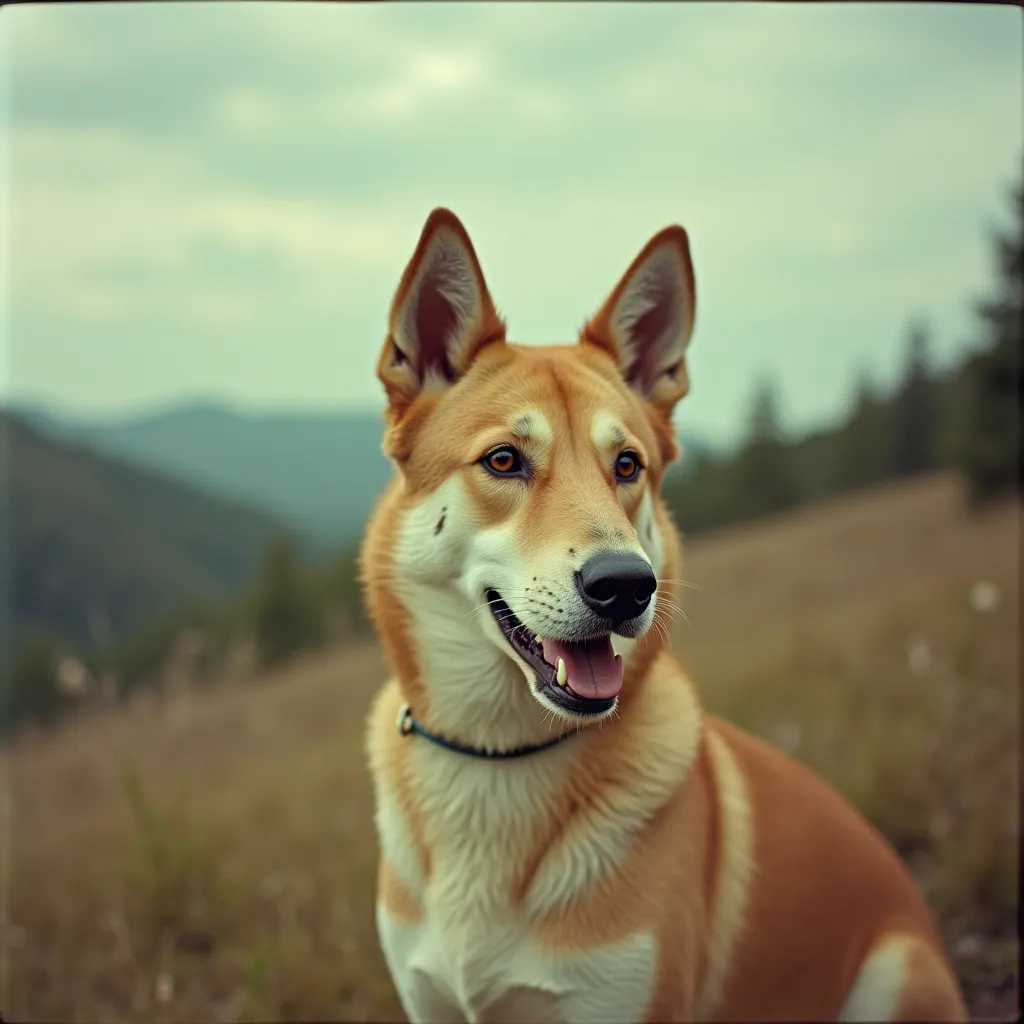
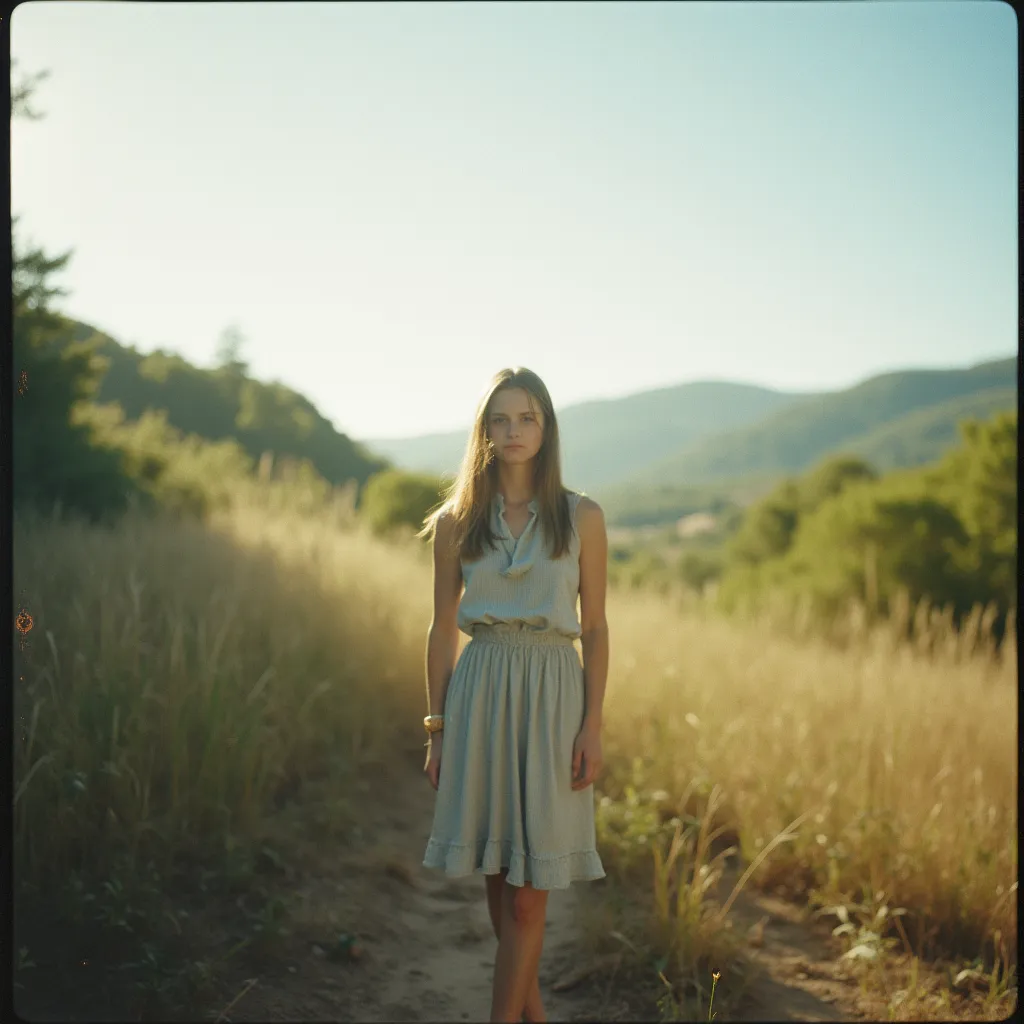
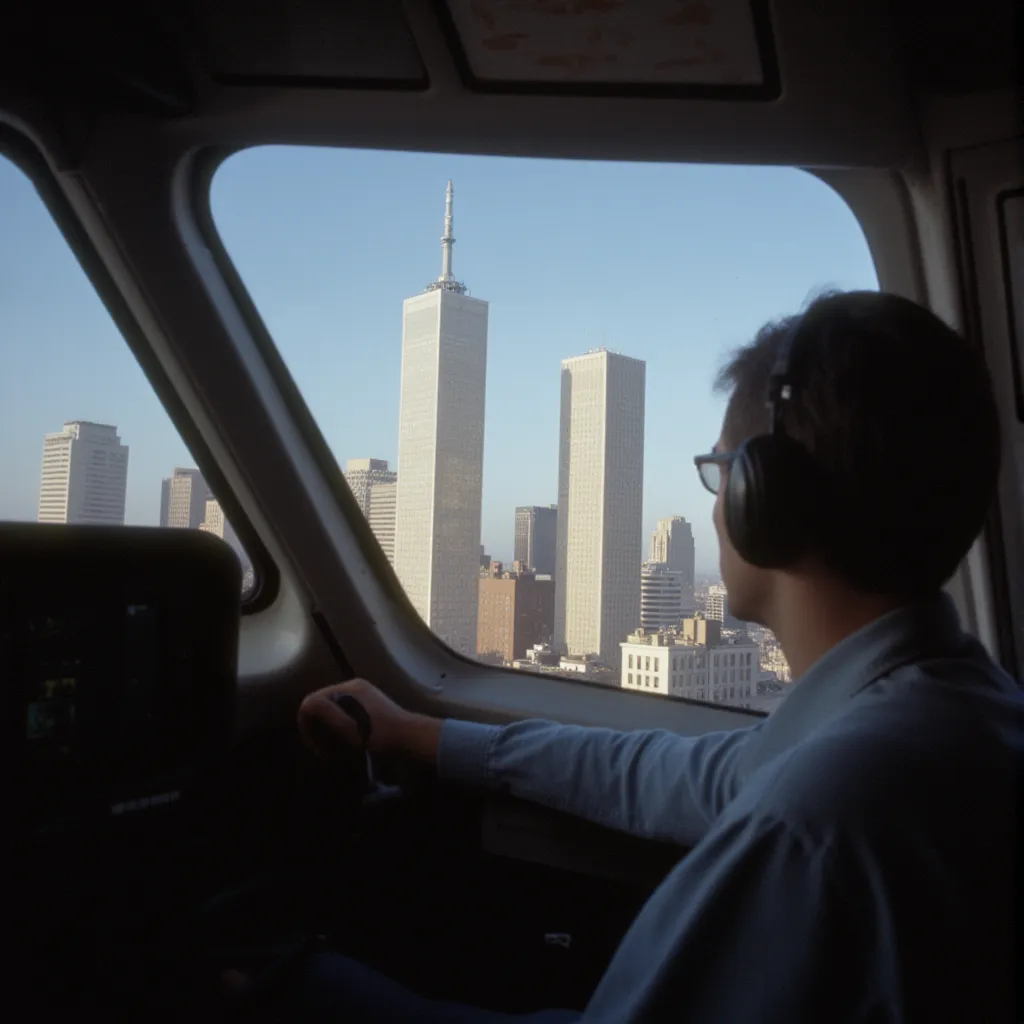
Koda, a trailblazing digital sentient, skillfully crafts an aura steeped in nostalgia tied to the early 1990s photographic aesthetic, transporting bystanders back to a bygone era characterized by throwaway cameras, and spontaneous, uncharted explorations. Its principal proficiency is centered around constructing compelling visual narratives infused with a retro allure, characterized by slightly desaturated tones, softened focus, and occasional sympathetic light anomalies or quintessential film grains that give it a distinctive visual fingerprint.

The model's forte lies in her ability to produce 'slice-of-life' scenes that bristle with authentic spontaneity and heartfelt sincerity. Each image conjures up the emotive power of intimate snapshots tucked away in cherished family photo albums or scattered throughout an adventurer's entrancing travel diary.

To probe further into the manifold subtleties embedded within this algorithm, it is beneficial to use a complex vocabulary featuring industry-specific words and phrases such as 'kodachrome' and 'depth of field'. Additional immersive elements worth delving into include descriptors such as 'blurry'—signifying a charming lack of sharpness; 'realistic'—indicating an admiration for the model's lifelike depiction of scenes; 'still life' and 'scenery'—reflecting the machine's predilection towards stationary objects and sprawling landscapes; 'no humans'- indicating the conspicuous absence of human subjects, lending a touch of solitude; 'monochrome' and 'greyscale'—implying an artistic leaning towards minimalist color palates; 'traditional media'— a homage to the conventional means of artistic expression; 'horizon'—drawing attention towards the meticulously crafted spatial perspective. Notably, terms like 'looking at viewer' denotes the subject's deliberate gaze towards the spectator, 'light particles' paints an image of minute, scattered sources of illumination, and 'shadow' emphasizes the profound role of contrast and obscurity in establishing the mood of the art piece.
Koda, a pioneering digital entity, artfully encapsulates the wistful ambience linked to early 1990s photography, transporting its audience back to an era of disposable cameras and unscripted journeys. Its primary expertise lies in fabricating visuals possessing an undeniable retro charm, hallmarked by somewhat faded hues, gentle focus, and the occasional andrusence of distinctive light leaks or classic film grains. The model has an unmatched proficiency in generating 'slice-of-life' tableaux that pulsate with spontaneity and sincerity, evoking the feel of moments captured in a cherished family photo album or a transient backpacker's captivating travelogue.

To unravel oddly fascinating nuances inside the model, an intricate vocabulary featuring words and phrases like 'kodachrome' and 'depth of field', could come in handy. Some other engaging dimensions to explore include 'blurry' - to allude to the appealing lack of precision; 'realistic' - an appreciation for their true-to-life representation; 'still life' and 'scenery'- to highlight their focus on non-animate and landscape subjects; 'no humans' - denoting scenes free from the presence of people; 'monochrome' and 'greyscale' - to underline its focus on single color or limited color schemes; 'traditional media' - to remind of the conventional means used for creating the artwork; 'horizon' - to draw attention to the spatial perspective; 'looking at viewer' - referring to the subject's directed gaze; 'light particles' - to depict the tiny, discrete amounts of light; and 'shadow' - emphasizing the role of contrast and dark areas in the art.
Koda captures the nostalgic essence of early 1990s photography, evoking memories of disposable cameras and carefree travels. It specializes in creating images with a distinct vintage quality, characterized by slightly washed-out colors, soft focus, and the occasional light leak or film grain. The model excels at producing slice-of-life scenes that feel spontaneous and candid, as if plucked from a family photo album or a backpacker's travel diary.

Words that can highlight interesting nuances within the model:

kodachrome, blurry, realistic, still life, depth of field, scenery, no humans, monochrome, greyscale, traditional media, horizon, looking at viewer, light particles, shadow
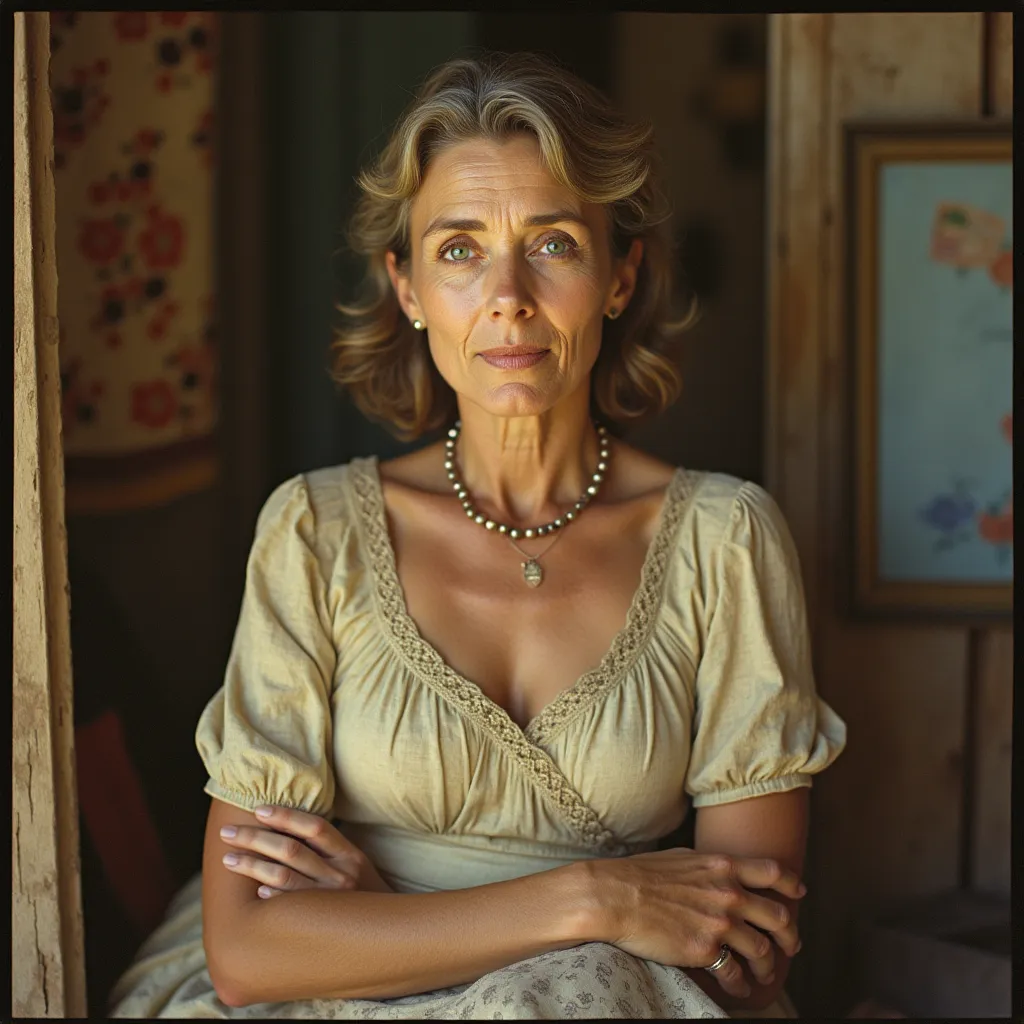
A middle-aged woman portrayed in a classic, warm Kodachrome style of film photography. The scene captures a timeless vibe, with its distinct textured details and vibrant primary colors that reminisce the 1960's to 70's era. The woman, clothed in an elegantly simple terminological dress, exhibits a radiating aura of grace and wisdom. Her soft eyes reveal stories untold, mystery unsolved that beckons the viewer in for a closer look. Her facial expression paints a picture of both melancholy and somber satisfaction suggesting a life lived with ups and downs. The background, a diverse blend of pastoral and rustic elements, further deepens the richness and depth of the photograph. The warm, slightly discolored hue of the Kodachrome image possesses a compelling nostalgic appeal, reminding the viewer of a past era.
A young woman with tousled hair and minimal makeup, wearing a oversized flannel shirt, looking directly at the camera with a slight smile. The background is slightly out of focus, suggesting a cozy bedroom, kodachrome, flmft style
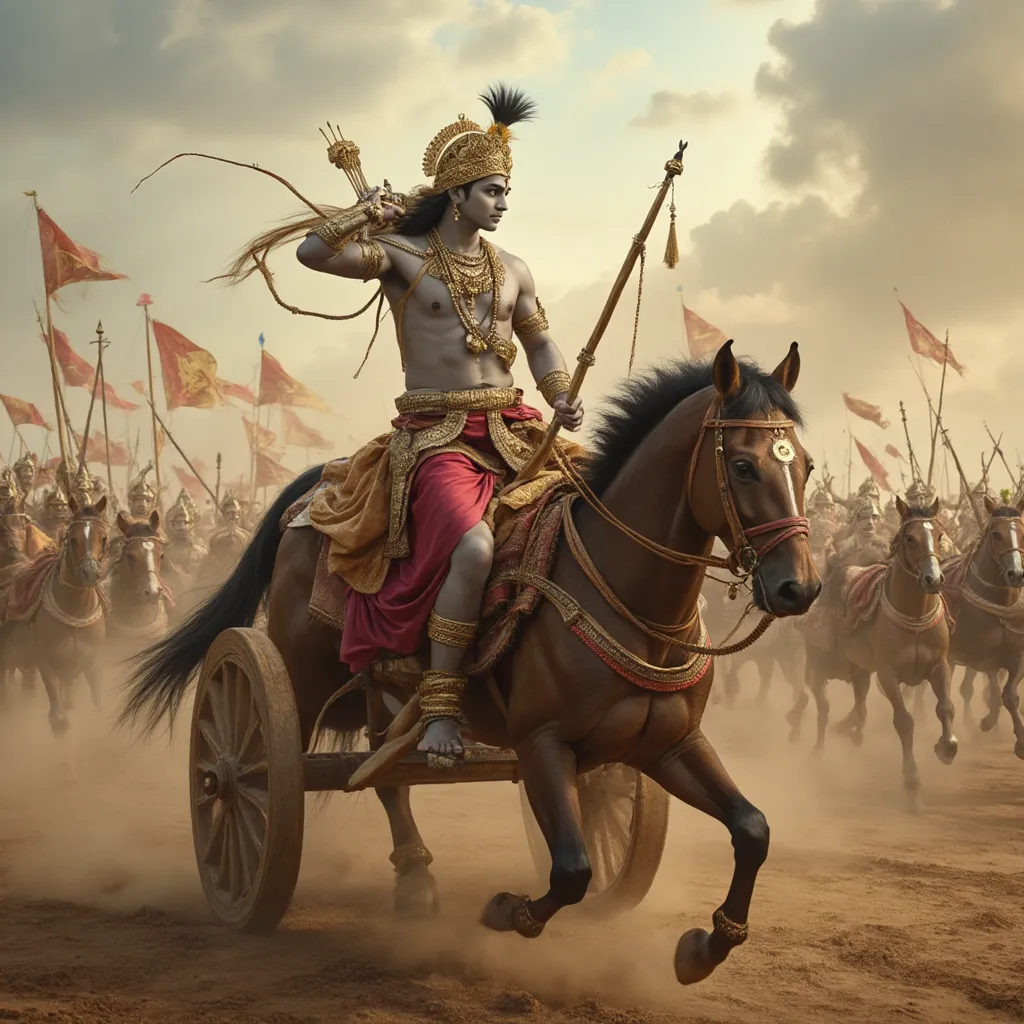
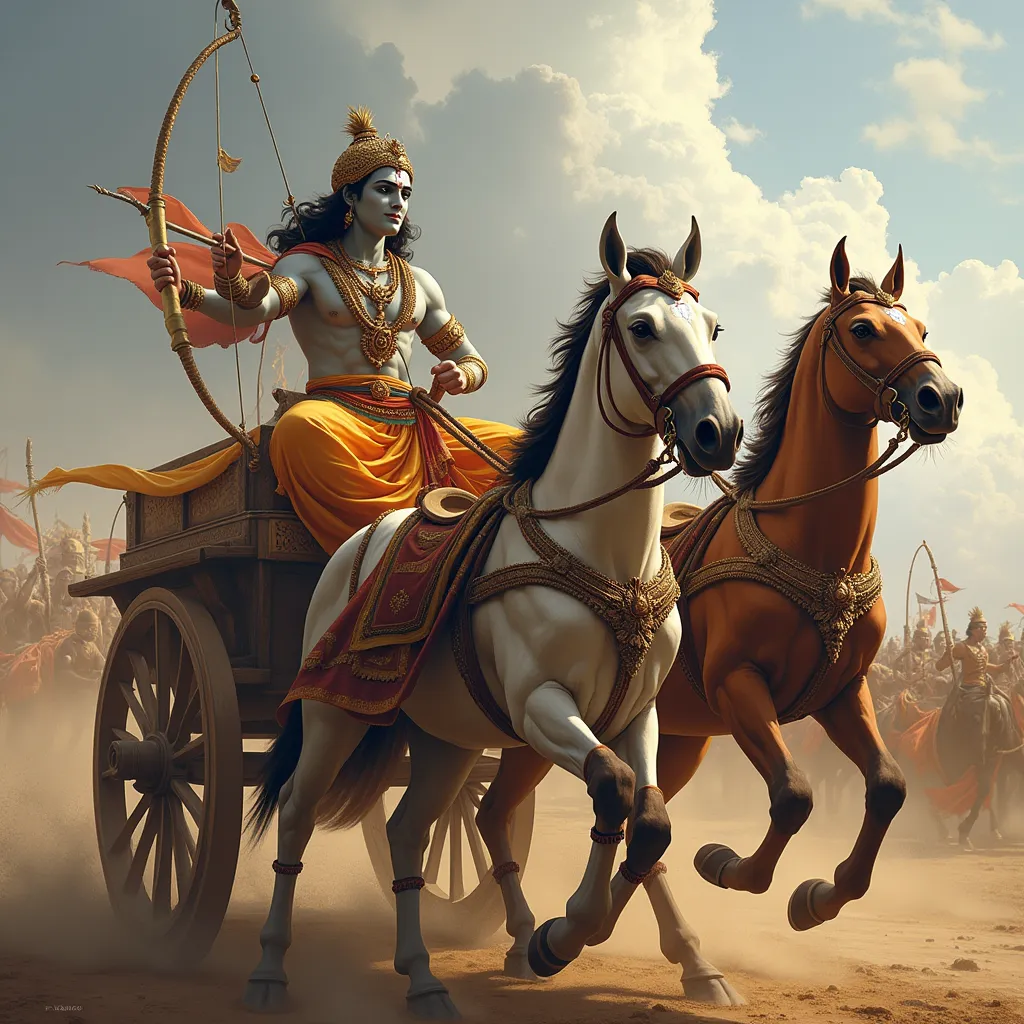
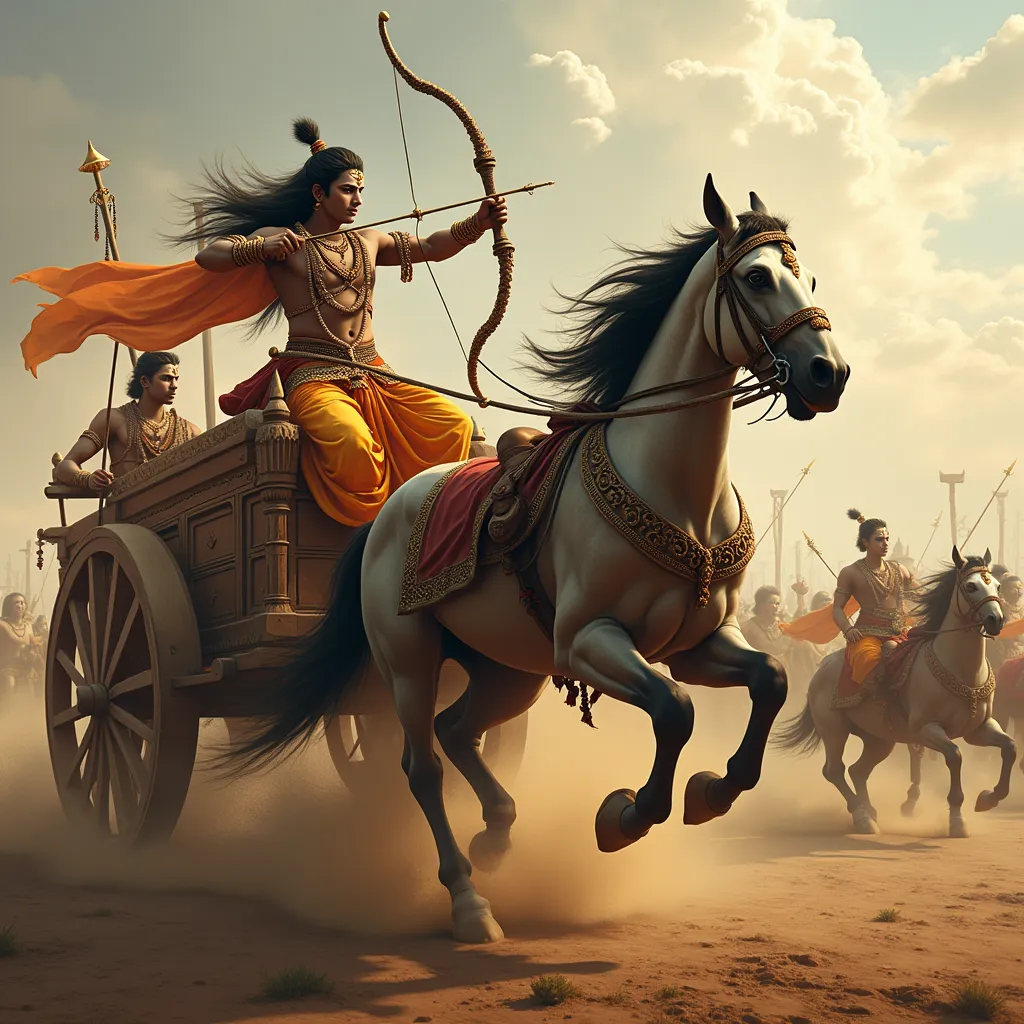
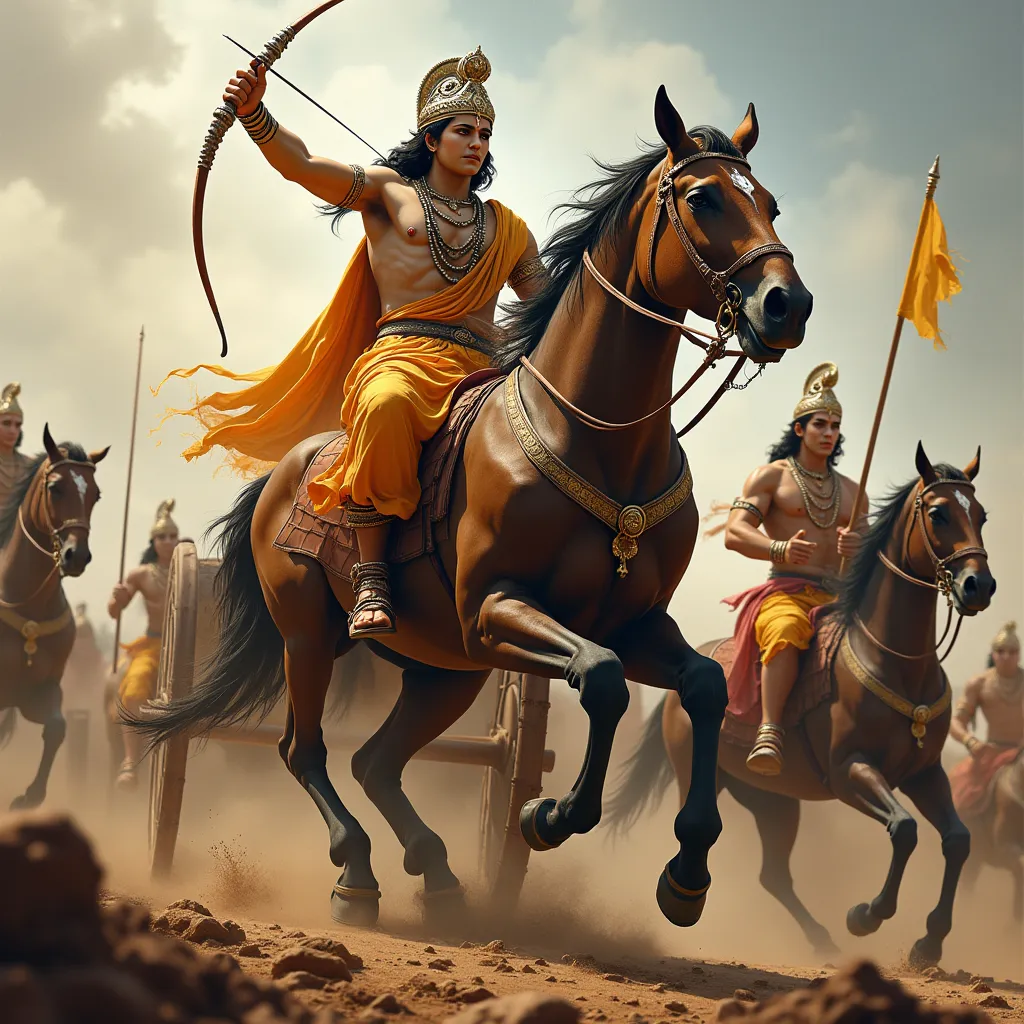
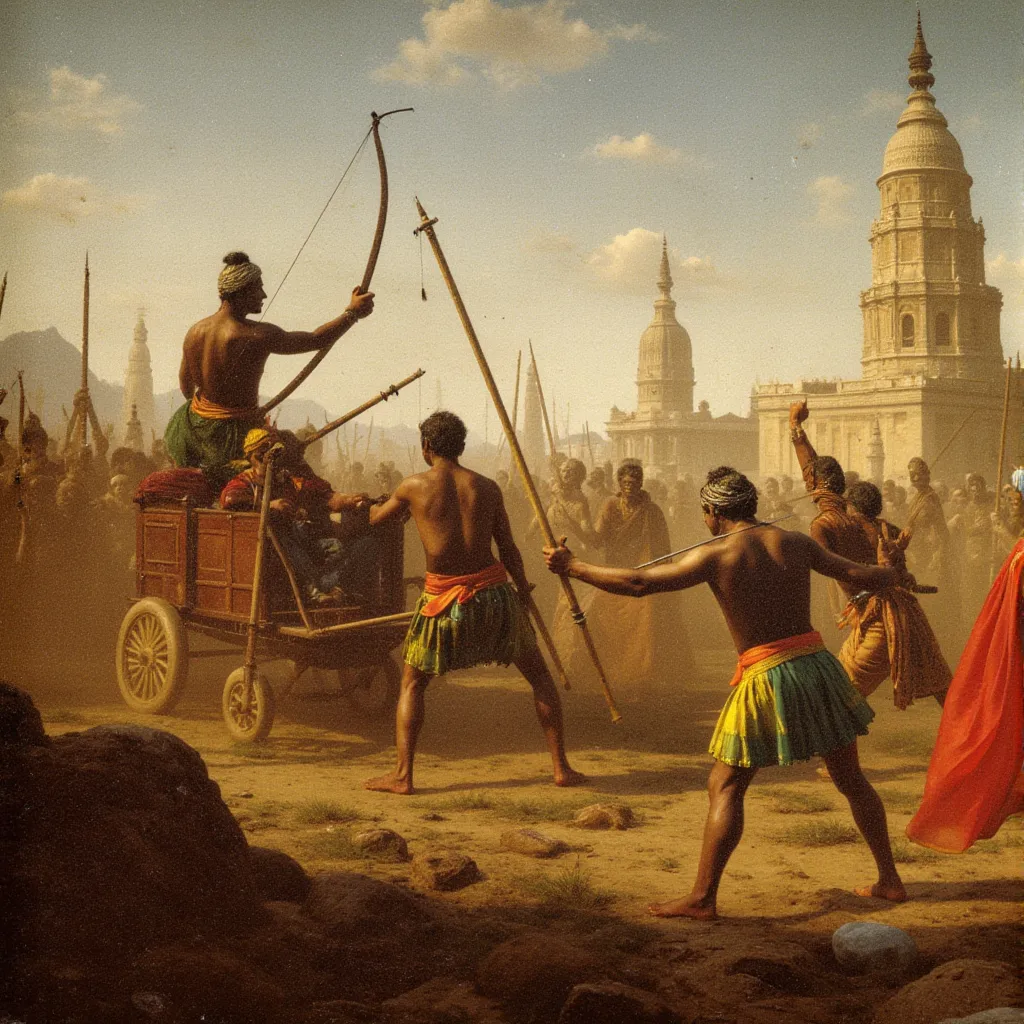
A descriptive image of Shree Krishna and Arjuna during the epic Mahabharata war. The image presents a vivid scene where Shree Krishna is in charge of steering the chariot, or 'rath', with utmost agility and mastery. Seated at the front of the 'rath', He exhibits a calm and fearless demeanor. Meanwhile, Arjuna, the archer prince, stands tall at the back of the chariot. He is captured in the midst of a ferocious fight against his adversaries, the Kauravas. The intensity of battle and the stalwart camaraderie between Shree Krishna and Arjuna are the main highlights of the image, echoing the iconic Bhagavad Gita scene. Arjuna, filled with determined valor, is completely engrossed in the war, showcasing his exceptional archery skills, while Krishna balances the momentum guiding the chariot through the war chaos.
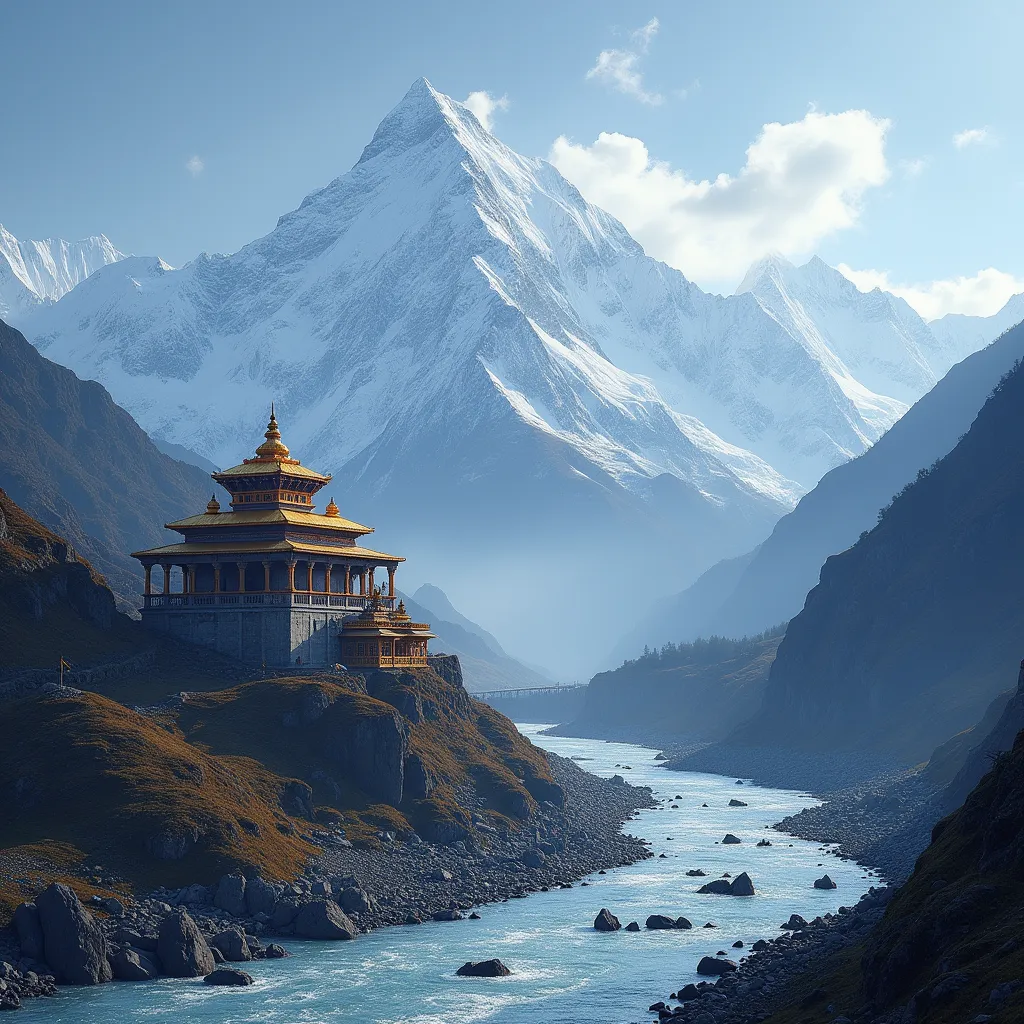
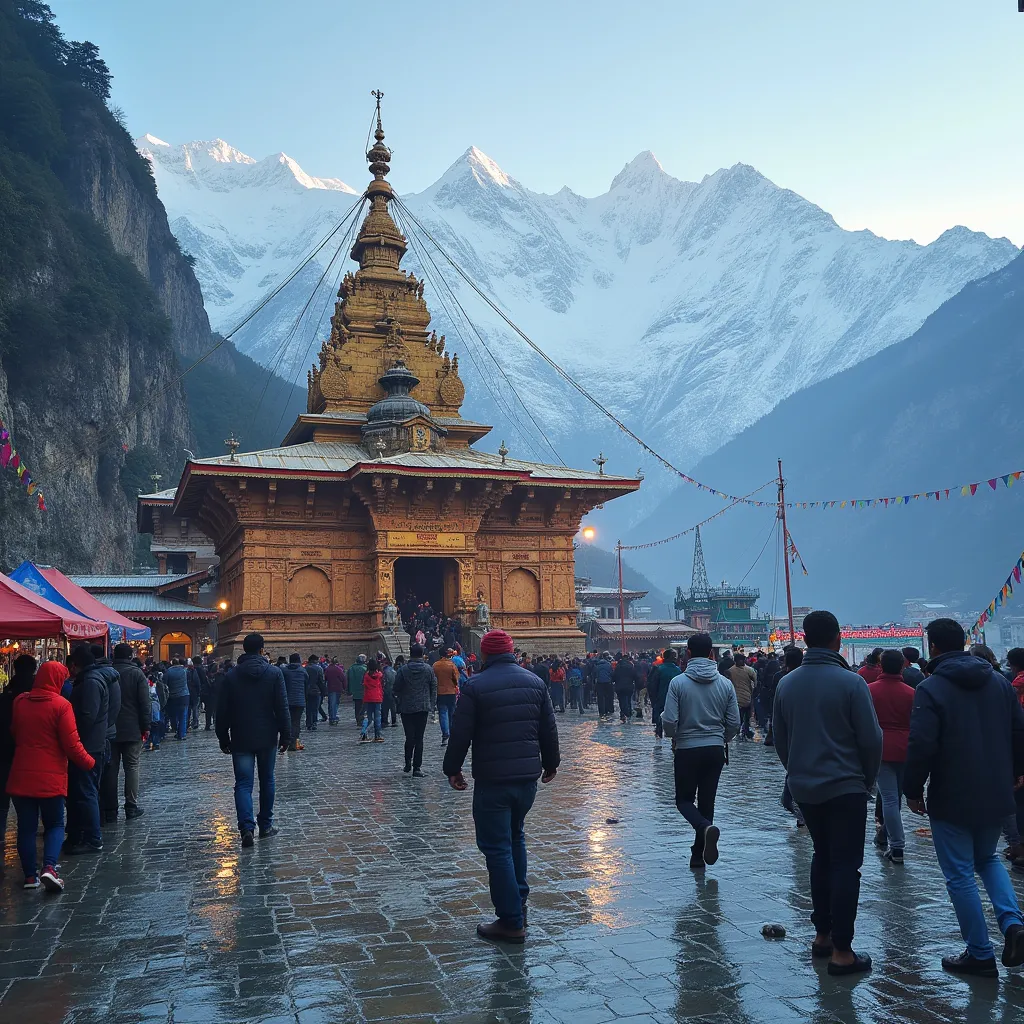
The Kedarnath Temple, a remarkable historical monument and revered sacred pilgrimage site for the Hindu devotees, is majestically positioned amidst the captivating high altitudes of the magnificent Himalayas. Uniquely nestled in the scenic state of Uttarakhand, India, it is a conspicuous gem of the ancient architecture that blends harmoniously with the spellbinding natural backdrop all around. The temple, renowned for its spectacular location and deeply rooted in Hindu mythology, captivates the spirit of every pilgrim with its divine ambience and ethereal beauty. Striking with its ostentatious grandeur, amidst the semi-frozen rivers and breathtaking snow-covered peaks, the Kedarnath Temple remains a beacon of spiritual solace and a testament to the endurance of faith even under the most challenging geographical and climatic conditions.
Kedarnath Temple, the historical and sacred Hindu pilgrimage site located in the high altitudes of the Himalayas
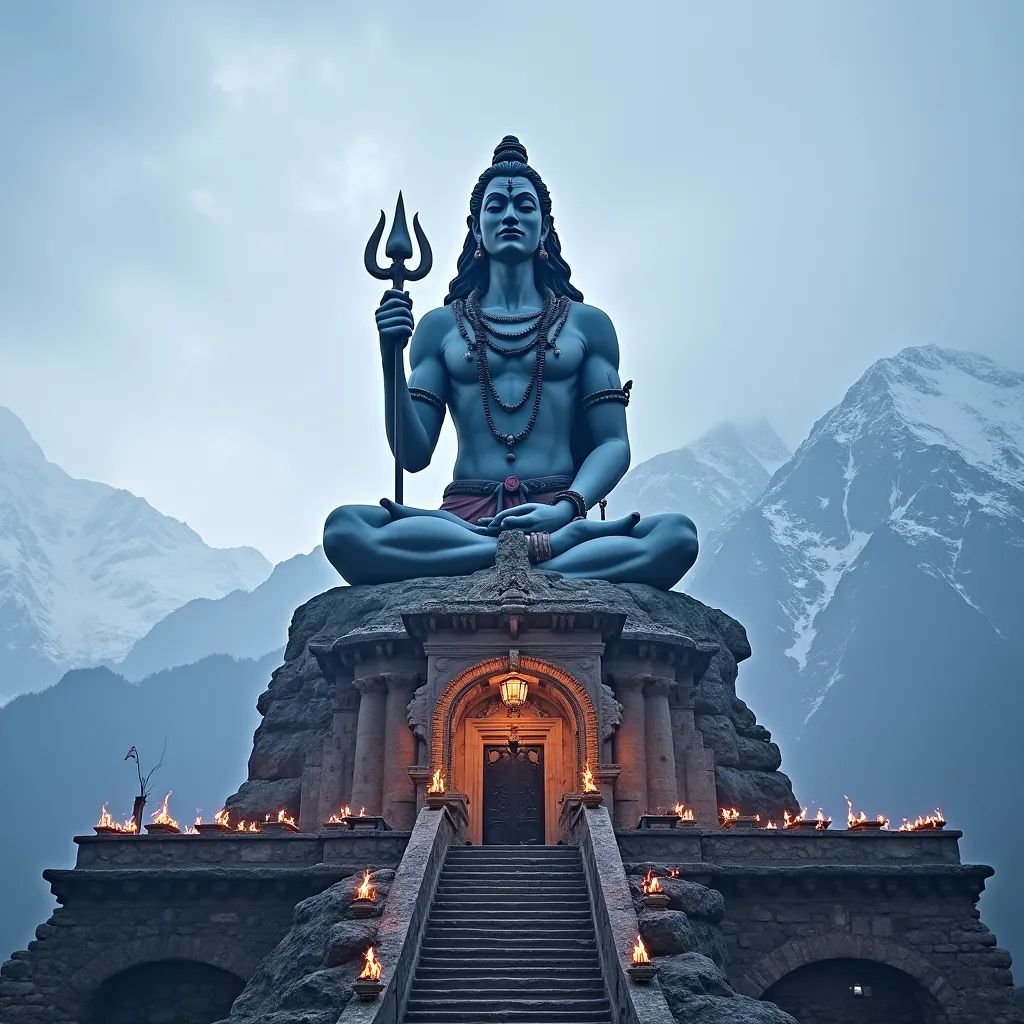
The majestic figure of Mahakal, an embodiment of Lord Shiva, is imposingly seated atop the ancient Kedarnath Temple. High on the mountain peaks of the Himalayas, the temple stands as a symbol of pious devotion and spirituality. The chill of the mountain air is thick with the scent of incense that permeates the surroundings, adding to the mystical aura that envelops the sacred premises. The larger-than-life statue of Mahakal, with its intricately carved details, looks down majestically upon the landscape, creating an intense, spiritual ambiance. This temple holds a very special place in the hearts of devotees, not only for its religious significance, but also for its rich heritage and other-worldly beauty. The sight of Mahakal's effigy high atop the Kedarnath Temple, surrounded by the glorious snow-clad mountain ranges and the open, blue sky, is an incredible view to behold, leaving an everlasting impression on every visitor.
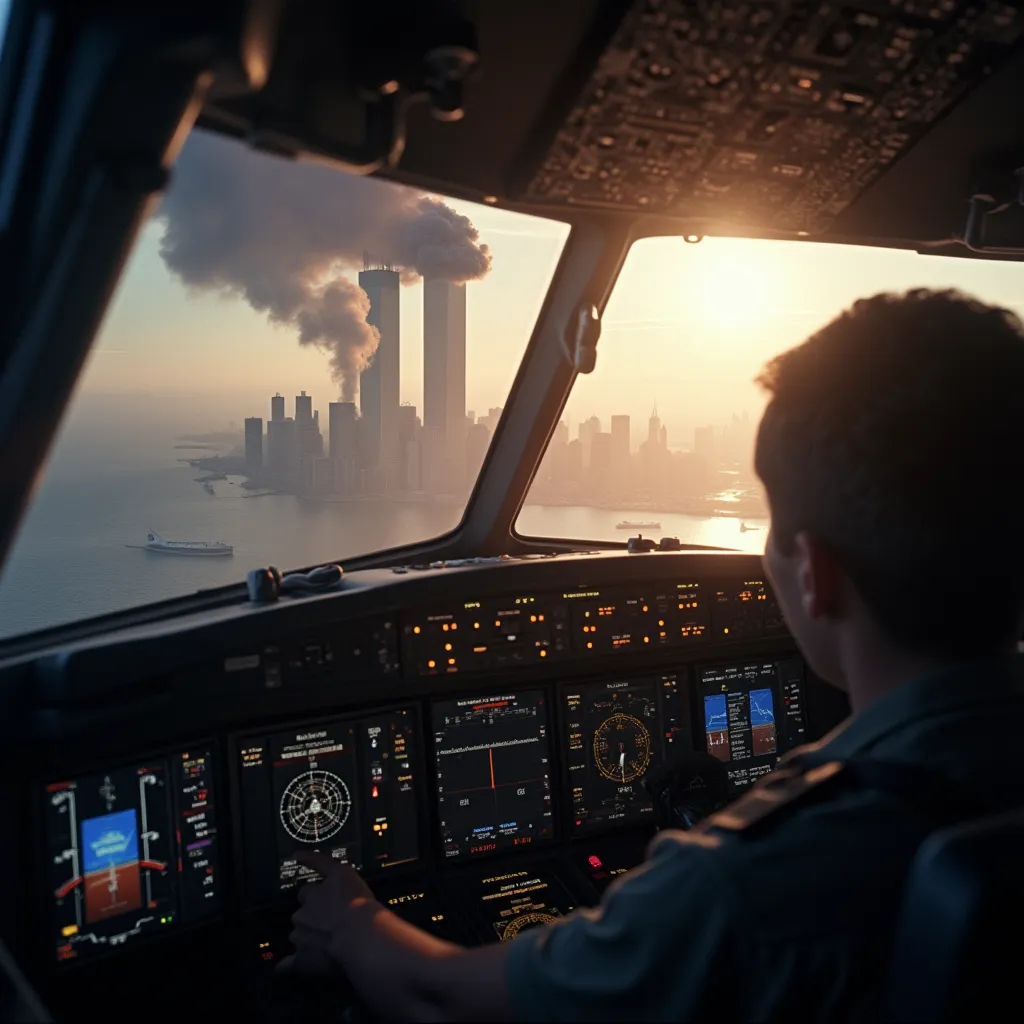
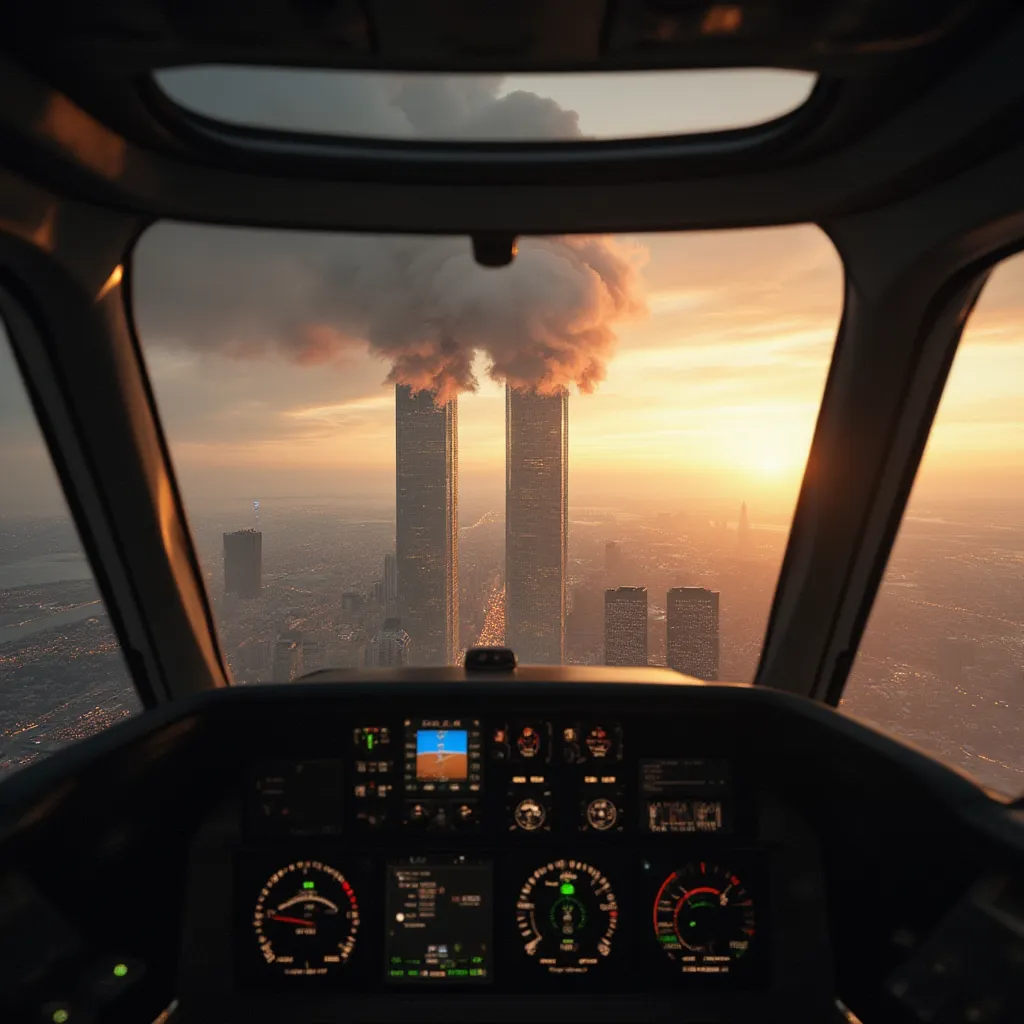
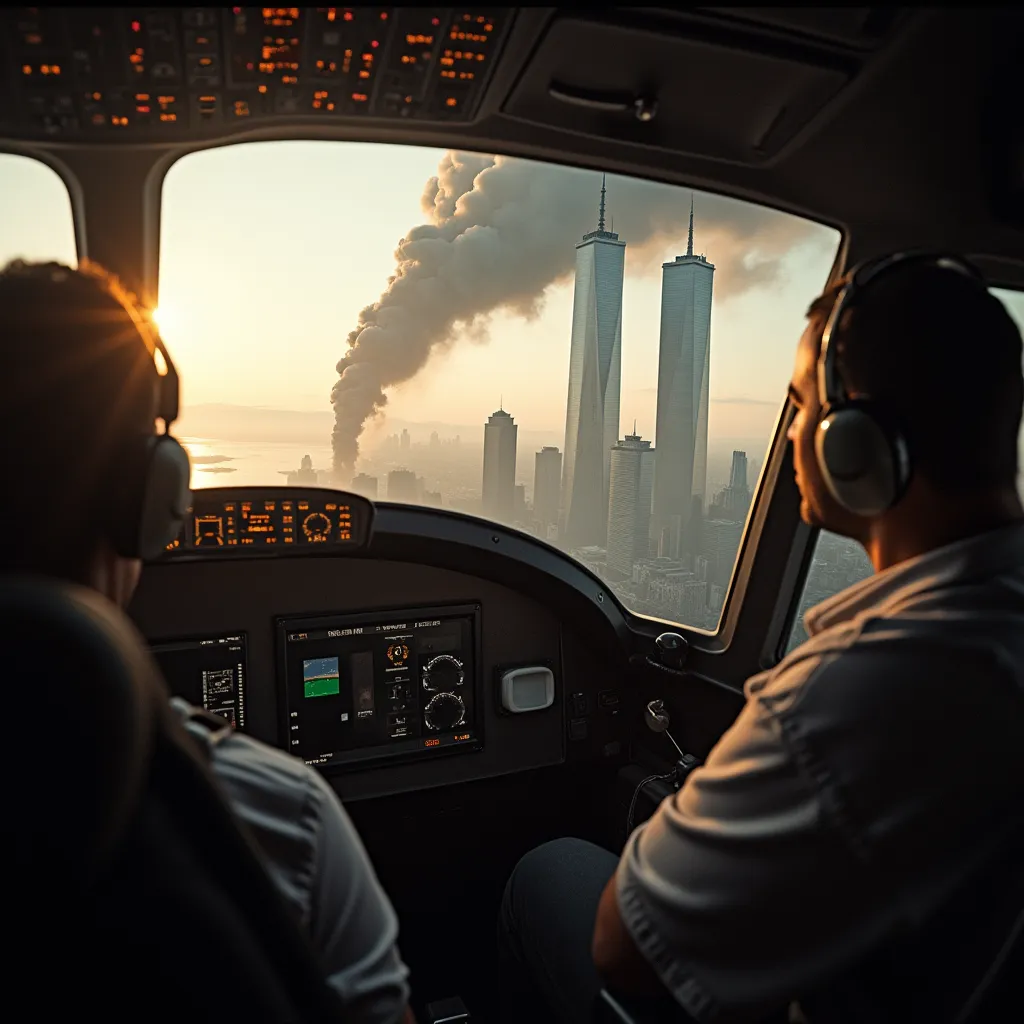
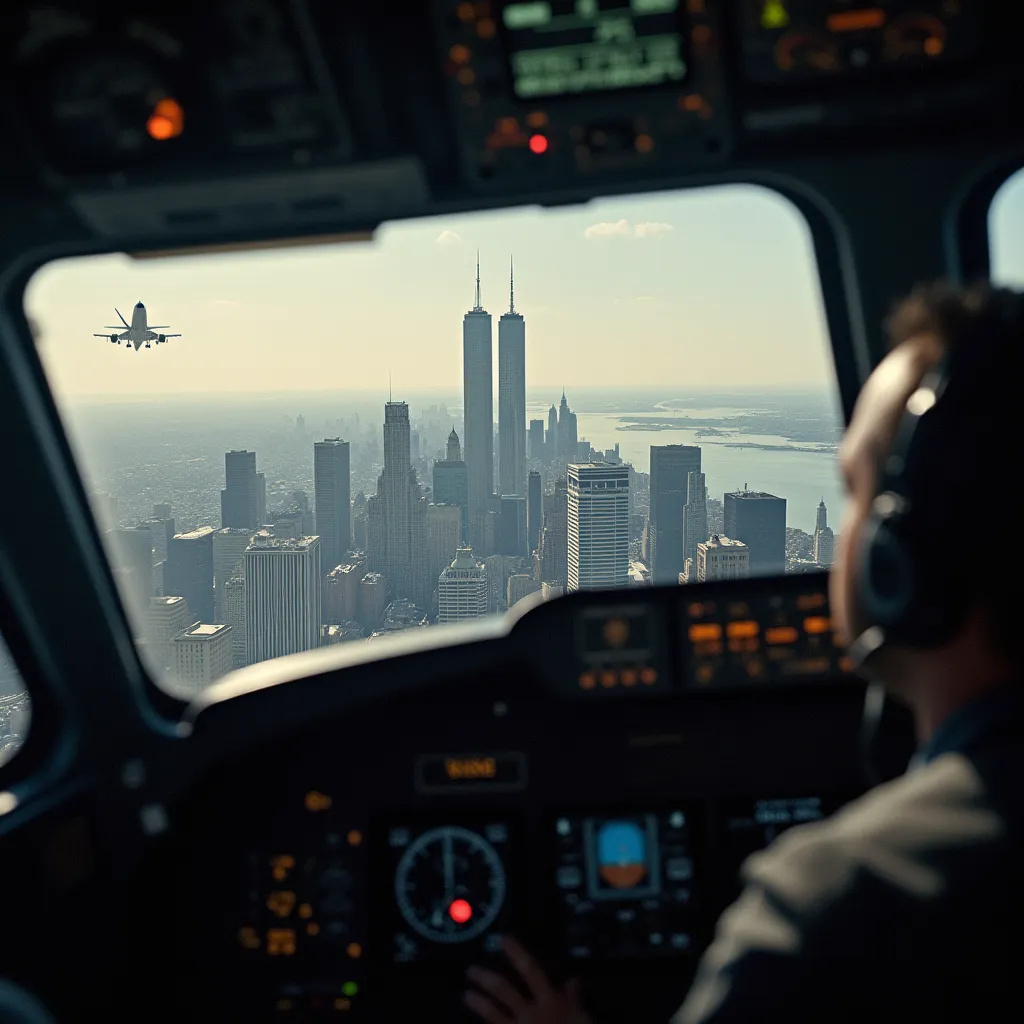
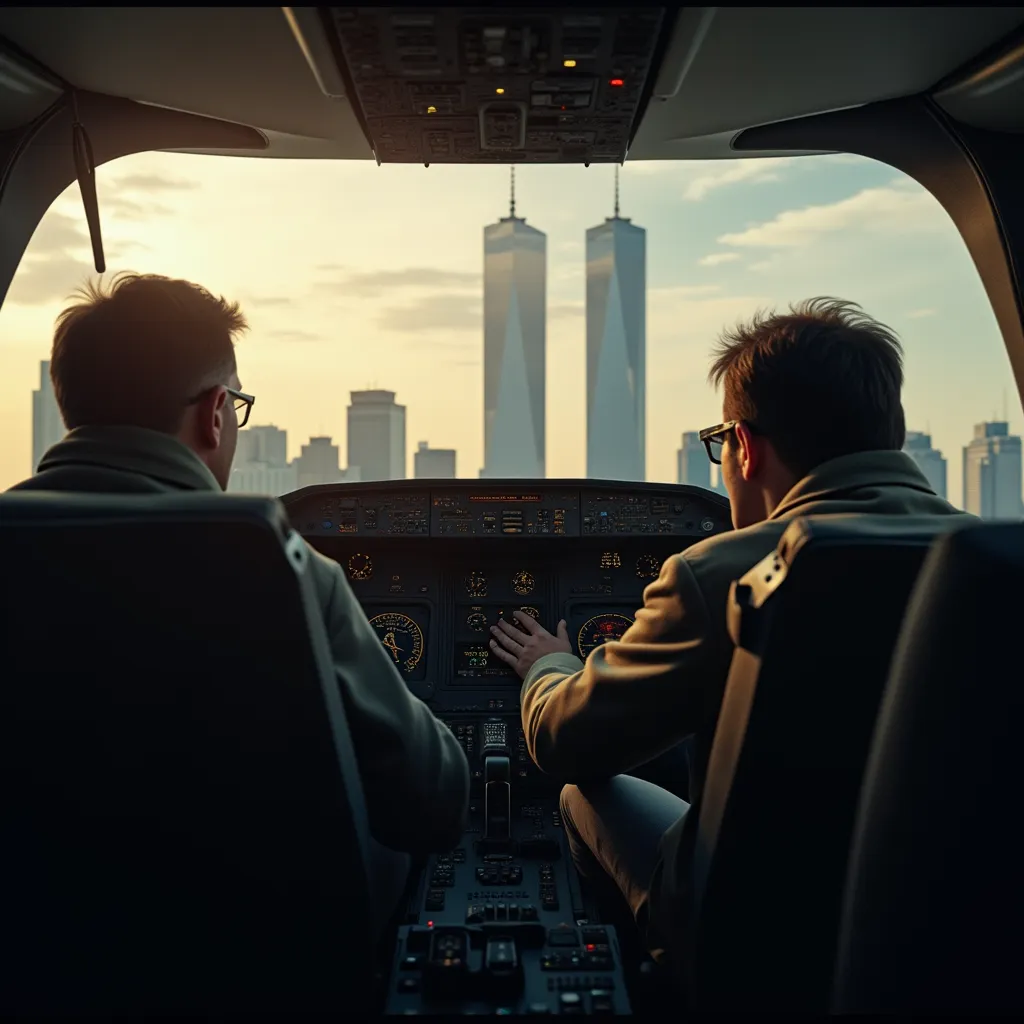
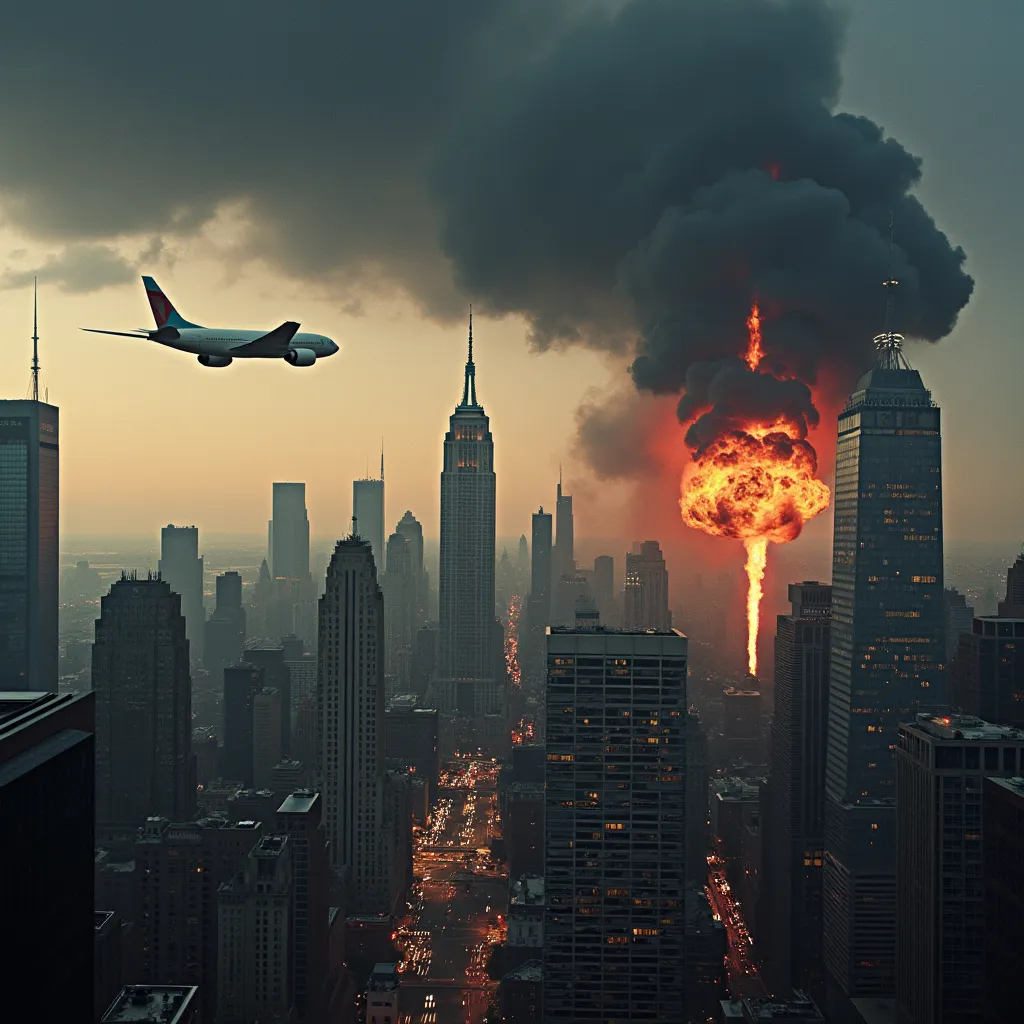
I am in pursuit of an extraordinarily gripping and intricately designed visualization, firmly anchoring itself within an airplane, more specifically reflecting the bone-chilling viewpoint of a passenger tragically embroiled in a hijacking scenario eerily mirroring the immense tragedy of September 11, 2001. The scene is set within the taut and dread-infused confines of an airplane cockpit with me midst a frenzied, life-or-death struggle against the remorseless hijackers.

As the volatile predicament escalates in its terrifying intensity, the airplane ominously inches closer to the emblematic Twin Towers. Once a soaring embodiment of New York City's, and indeed the world's, economic prowess and indomitable spirit, they now stand unwittingly in the face of impending disaster. The visualization should tantamount to a hair-raising spectacle of these architectural wonders as they are glimpsed through the fortified and smudge-free cockpit glass. The towers project an image that is a paradox; they appear eerily calm yet provokingly proximate as the doomed jet propels towards them, its speed chillingly fast and its trajectory horrifyingly precise.

This engrossing and nerve-racking narrative needs to evoke a relentless tsunami of distress and impending cataclysm. It should vividly articulate the heroic struggle unfolding within the claustrophobic metallic theater of the cockpit, yet simultaneously juxtapose this gut-wrenching scenario with a haunting silhouette of the World Trade Center towers - standing majestically, their gleaming surfaces reflecting the early morning sun, obnoxiously oblivious to the catastrophic drama about to descend upon them.

Imagine with startling detail the petrified expressions on the faces of those within the Twin Towers, their tranquil lives inching dangerously close to irreversible change. This should be starkly contrasted with the unimaginable turmoil brewing within the airplane's cockpit. Sketch a gruesome tableau of destruction, where the lifeless bodies of the pilots lie haphazardly strewn about, the hijackers, brandishing their deadly AK47s, lord over the anarchic scene with malignant dominance. This harrowing depiction should build up inexorably to the menace that is a looming, inevitable and devastating collision.
I'm seeking an incredibly compelling, meticulously detailed visualization situated within an aircraft, specifically embodying the harrowing perspective of a passenger caught in the midst of a hijacking predicament eerily reminiscent of the grievous tragedy of September 11, 2001. The scenario I'm envisioning unfolds within the tight, claustrophobic surroundings of an airplane's cockpit, where I'm engaged in a desperate struggle against the hijackers.

As the dire situation grows in its intensity, the airplane finds itself ominously nearing the iconic Twin Towers. These soaring structures were once proud testament to New York City's and the world's prosperity and might, now threatened by the looming disaster. The visualization should afford an adrenaline-rushing spectacle of these architectural marvels as seen through the reinforced windows of the cockpit. The towers appear paradoxically serene yet terrifyingly near as the doomed aircraft hurtles towards them with alarming speed and unerring precision.

This gripping, nerve-wracking narrative needs to convey an overpowering sense of dread and impending doom. It needs to paint a vivid realization of the valiant struggle taking place within the metallic confines of the cockpit, while overshadowing this scene with the fatalistic image of the World Trade Centre towers, standing tall and glistening in the early morning sun, blissfully unaware of the catastrophic event about to be thrust upon them.

Envision with eye-opening clarity the terrified expressions of the people within the Twin Towers, their lives about to change forever, while juxtaposing this with the unimaginable chaos inside the cockpit. Fabricate a portrait of destruction, where the lifeless bodies of the two pilots lay unceremoniously sprawled, and the hijackers, armed with their fearsome AK47s, stand in dominant aggression over the scene of chaos. This devastating scene should culminate in a horrifying realization that the plane is heading unabated towards a fatal collision.
I would like to request an immersive and detailed visualization inside an aircraft, embodying the perspective of a passenger during a hijacking scenario not far removed from the tragic incident of September 11, 2001. The setting of this scene takes place in the cramped confines of the airplane’s cockpit, where a hand-to-hand struggle is ensuing between the hijackers and myself. 

As the situation escalates, the plane is perilously close to the iconic Twin Towers, the once majestic symbols of New York's affluence. The visualization should offer a nerve-racking view of the towers as seen from the cockpit’s windows, appearing alarmingly close as the aircraft barrels towards them at high velocity. 

This highly intense and distressing scenario should encapsulate the impending sense of doom, the gravity of the heroic struggle and the fatalistic vision of the World Trade Centre glistening in the sun, waiting innocously as the hijacked plane brings an unforeseen disaster to its doorstep.

from near to twin tower like i can see the peopls who are inside the twin tower and they are scareed while incockpit eveything is smasshed like 2 pilot are killed and hijacker are stoodup with ak47 and i am seeing that we are going to crash
I would like to request an immersive and detailed visualization inside an aircraft, embodying the perspective of a passenger during a hijacking scenario not far removed from the tragic incident of September 11, 2001. The setting of this scene takes place in the cramped confines of the airplane’s cockpit, where a hand-to-hand struggle is ensuing between the hijackers and myself. 

As the situation escalates, the plane is perilously close to the iconic Twin Towers, the once majestic symbols of New York's affluence. The visualization should offer a nerve-racking view of the towers as seen from the cockpit’s windows, appearing alarmingly close as the aircraft barrels towards them at high velocity. 

This highly intense and distressing scenario should encapsulate the impending sense of doom, the gravity of the heroic struggle and the fatalistic vision of the World Trade Centre glistening in the sun, waiting innocously as the hijacked plane brings an unforeseen disaster to its doorstep.

from near to twin tower like i can see the peopls who are inside the twin tower and they are scareed while incockpit eveything is smasshed like 2 pilot are killed and hijacker are stoodup with ak47 and i am seeing that we are going to crash
I would like to request an immersive and detailed visualization inside an aircraft, embodying the perspective of a passenger during a hijacking scenario not far removed from the tragic incident of September 11, 2001. The setting of this scene takes place in the cramped confines of the airplane’s cockpit, where a hand-to-hand struggle is ensuing between the hijackers and myself. 

As the situation escalates, the plane is perilously close to the iconic Twin Towers, the once majestic symbols of New York's affluence. The visualization should offer a nerve-racking view of the towers as seen from the cockpit’s windows, appearing alarmingly close as the aircraft barrels towards them at high velocity. 

This highly intense and distressing scenario should encapsulate the impending sense of doom, the gravity of the heroic struggle and the fatalistic vision of the World Trade Centre glistening in the sun, waiting innocously as the hijacked plane brings an unforeseen disaster to its doorstep.

from near to twin tower like i can see the peopls who are inside the twin tower and they are scareed while incockpit eveything is smasshed like 2 pilot are killed and hijacker are stoodup with ak47 and i am seeing that we are going to crash
I would like to request an immersive and detailed visualization inside an aircraft, embodying the perspective of a passenger during a hijacking scenario not far removed from the tragic incident of September 11, 2001. The setting of this scene takes place in the cramped confines of the airplane’s cockpit, where a hand-to-hand struggle is ensuing between the hijackers and myself. 

As the situation escalates, the plane is perilously close to the iconic Twin Towers, the once majestic symbols of New York's affluence. The visualization should offer a nerve-racking view of the towers as seen from the cockpit’s windows, appearing alarmingly close as the aircraft barrels towards them at high velocity. 

This highly intense and distressing scenario should encapsulate the impending sense of doom, the gravity of the heroic struggle and the fatalistic vision of the World Trade Centre glistening in the sun, waiting innocously as the hijacked plane brings an unforeseen disaster to its doorstep.

from near to twin tower like i can see the peopls who are inside the twin tower and they are scareed while incockpit eveything is smasshed like 2 pilot are killed and hijacker are stoodup with ak47 and i am seeing that we are going to crash
I would like to request an immersive and detailed visualization inside an aircraft, embodying the perspective of a passenger during a hijacking scenario not far removed from the tragic incident of September 11, 2001. The setting of this scene takes place in the cramped confines of the airplane’s cockpit, where a hand-to-hand struggle is ensuing between the hijackers and myself. 

As the situation escalates, the plane is perilously close to the iconic Twin Towers, the once majestic symbols of New York's affluence. The visualization should offer a nerve-racking view of the towers as seen from the cockpit’s windows, appearing alarmingly close as the aircraft barrels towards them at high velocity. 

This highly intense and distressing scenario should encapsulate the impending sense of doom, the gravity of the heroic struggle and the fatalistic vision of the World Trade Centre glistening in the sun, waiting innocously as the hijacked plane brings an unforeseen disaster to its doorstep.
Craft an intense and deeply moving narrative that describes the harrowing events of 9/11 when two airliners, under the control of hijackers, are on course towards the World Trade Center towers. The narrative should embody the overwhelming tension, fear and sense of impending doom that defined the most fateful moment of that day. It should capture the horror from the perspectives of several different characters such as passengers on board the doomed planes, office workers in the Twin Towers, emergency responders, and ordinary New York City residents and tourists who witness it from the streets. The narrative should contain vivid descriptions of the planes, the city's towering skyline, the towers themselves and the general urban atmosphere, capturing effectively the dread swell that had seized this otherwise ordinary Tuesday morning in September. Please remember to handle this sensitive topic with utmost respect and empathy, focusing more on aspects of human spirit and resilience rather than graphic and violent details.
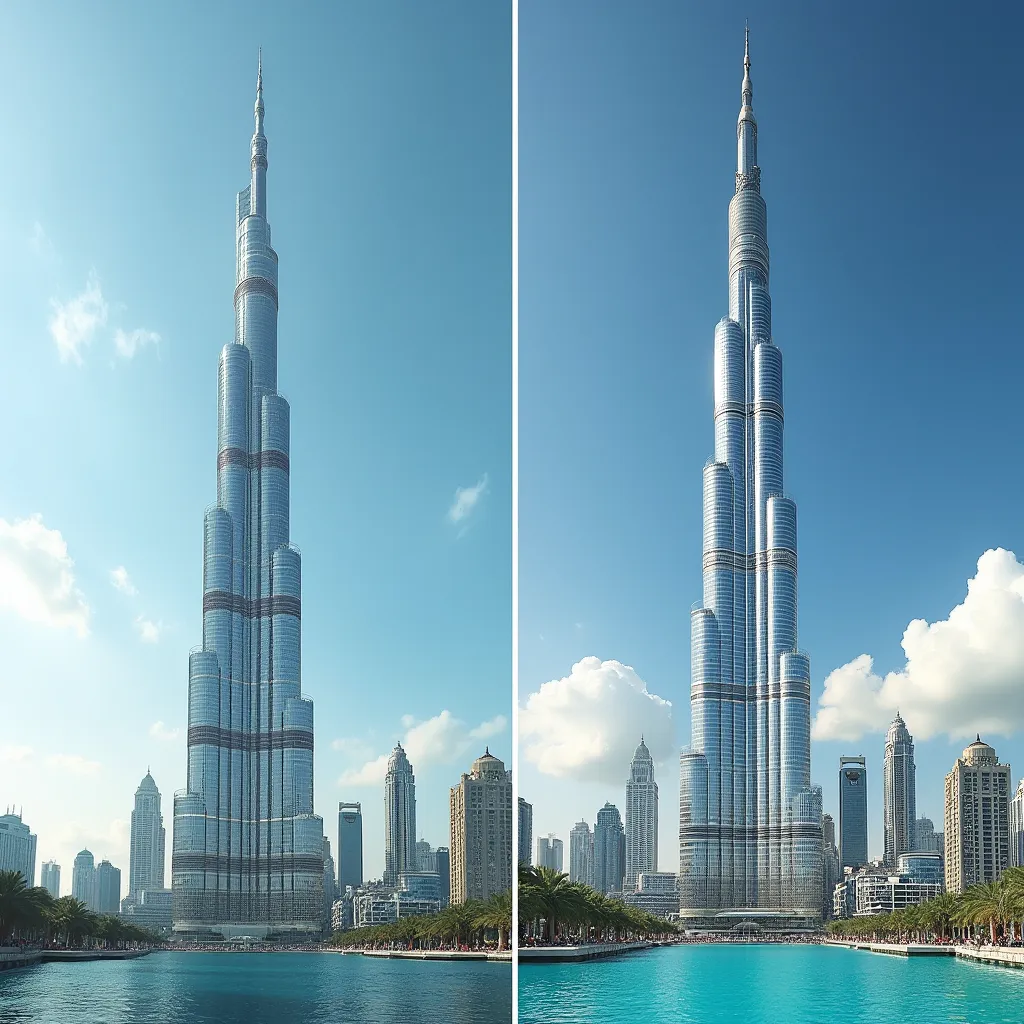
Utilize your AI imaging capabilities to generate two distinct images of the Burj Khalifa. These should be two separate and unique illustrations, each one showcasing different perspectives or viewpoints of the iconic skyscraper. 

It's important to clarify that the task does not involve creating an image with two Burj Khalifas in a single frame. Rather, I'm asking for two distinct, individual images where each one focuses solely on Burj Khalifa. Both should highlight the architectural brilliance and grandeur of this magnificent structure.